

About Us
CAPA Strategies: An Origin Story
CAPA Strategies was founded on a simple but often overlooked observation: the environmental conditions people experience on the ground rarely match the information used to guide decisions. Early work in urban heat revealed striking differences from one block to the next—differences that could mean the contrast between comfort and danger. Yet most planning and response systems relied on generalized data that could not capture these variations. CAPA emerged to close that gap by translating scientific insight into decision-ready knowledge rooted in the lived realities of specific places.
From the beginning, CAPA has been guided by the principle of translational science—moving beyond research for its own sake to ensure that findings inform real-world action. Doing so means developing methods that connect measurement, analysis, and implementation. Through programs like Heat Watch, CAPA worked alongside local partners to generate high-resolution data that reflects how people actually experience heat in streets, homes, and public spaces. This approach transformed abstract climate information into practical guidance for planners, public health professionals, and emergency managers.
A defining feature of CAPA’s work is meeting communities where they are, both physically and institutionally. Rather than imposing predefined solutions, CAPA collaborates with local organizations to understand how natural hazards intersect with housing, transportation, land use, and public services. Many organizations face immediate operational demands and may not have the capacity to interpret complex environmental data or connect it to their daily decisions. CAPA’s role is to bridge that gap—providing tools, analysis, and engagement processes that align with local priorities and constraints.
Today, CAPA Strategies continues to advance an evidence-based approach to natural hazards—one that centers on precision, partnership, and practical application. Our work is grounded in five core values:
Integrity: We follow through—on data quality, timelines, and commitments.
Service: We deliver high-quality, actionable results that meet real known needs.
Teamwork: We align across disciplines and aim to solve complex problems together.
Adaptation: We adjust quickly as conditions change—because hazards don’t wait.
Sustainability: We focus on long-term solutions that strengthen both communities and the systems they depend on.
Extreme events are no longer isolated—they are shaping daily operations, budgets, and public safety. Our singular focus is to equip decision makers with the insight and tools to act with confidence—at the scale the problem demands.
Wherever you are in managing extreme climate events—starting out or scaling up—schedule a one-on-one consultation with us today.

Joey Williams, MURP
Campaign Manager
Joey directs operations of the CAPA Heat Watch program and assists with organizational growth of CAPA. He combines his process design skills with a passion for environmental human health. He earned an Masters in Urban and Regional Planning from Portland State University.

Dana Hellman, PhD
Resilience Manager
Dana manages the implementation of CAPA’s Resilience services. She is an environmental social scientist and earned her PhD in Earth, Environment & Society from Portland State University.

Zachary Boyce, MS
Data & Visualization Lead
Zachary has worked at the local, regional, and federal levels of government helping effectively communicate the many dimensions of disaster risk through research, analysis, and design. He has a B.S. in Geography from Portland State University and a M.S. in Emergency Management and Community Resilience from Portland State University.

Eliza Amstutz, MS
Hazards Monitoring Program Associate
Eliza works as a Program Associate for CAPA, primarily supporting the Heat Watch program. Situated between data visualization specialists and clients, she applies both quantitative and qualitative based methods to climate programs and projects. Her background in geospatial analysis and social science informs study design, data management, client engagement and support. She is motivated by innovative approaches to environmental public health and science-to-solutions processes.

Erica Bestpitch, MS, SPHR
Human Resources Manager
Erica has a deep interest in values-based organizational leadership and social change. She has 10 years of experience in administration, HR, and feminist leadership at the University and non-profit level. As Human Resources manager and Admin Lead, Erica supports internal operations, billing, and supporting a positive work environment at CAPA.

Vivek Shandas, PhD
Founder / Advisor
Vivek brings over two decades of environmental and climate science experience to support CAPA's strategic direction as an advisor. Vivek's volunteer role at CAPA aims to grow the field of climate adaptation and establish impactful partnerships.
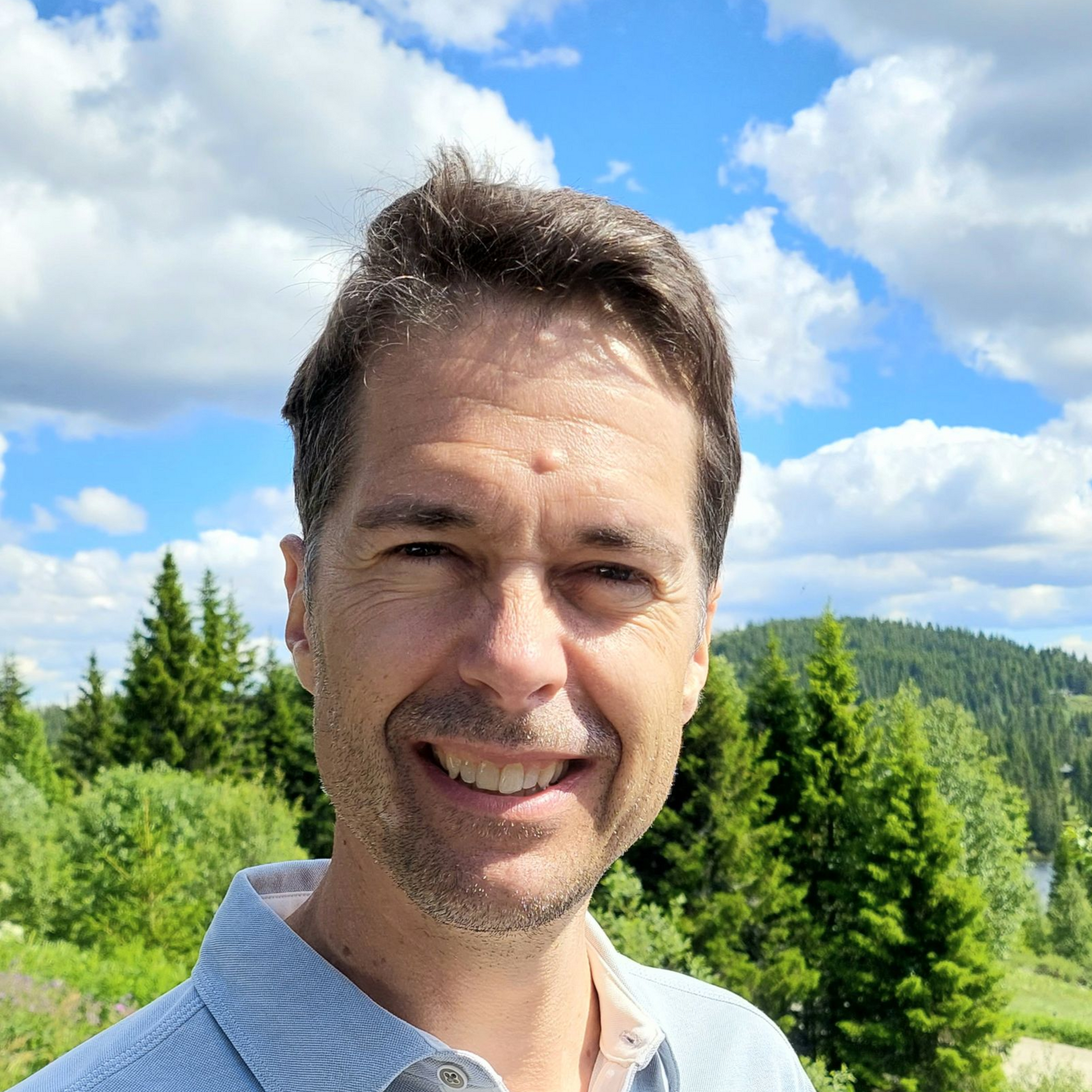
Stephan Brown, PhD
Product Development
Stephan is a systems thinker and change management specialist with over 20 years of experience working in economic and community development initiatives, health care quality oversight, and hazard mitigation planning. His methodological specialty is in combining qualitative and computational modeling. Academic and lay publications have spanned behavioral health, municipal planning, extreme heat and heat related illnesses, and higher education. Stephan received his doctorate in Urban Studies at Portland State University, obtaining a graduate certificate in computer simulation and modeling along the way.
Check Out Our Featured Services

Air Quality Monitoring
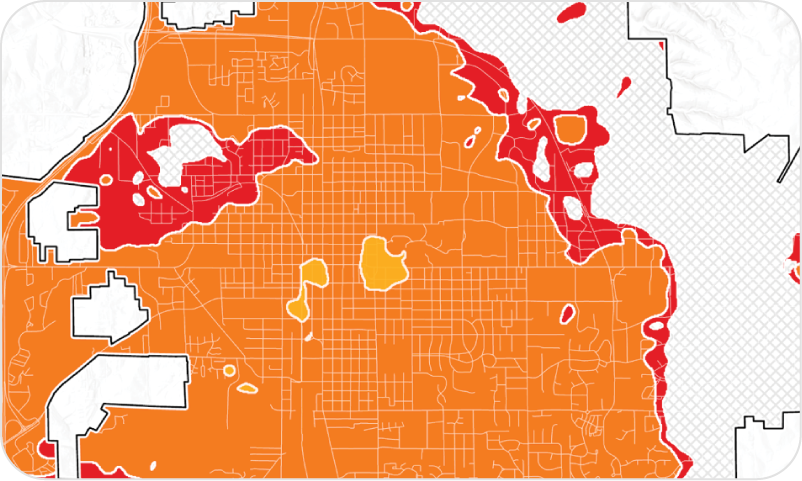
Extreme Heat Projections
Intervention Guidebook